
Home Care
Baby Care | Home Care | Teeth For Life | Thumb Sucking | Sealants | Fillings | Dental Emergencies | Nitrous Oxide | Hospital Dentistry
Adopting Healthy Oral Hygiene Habits
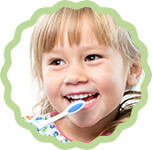
As new teeth erupt, examine them every two weeks for lines and discoloration caused by decay. Remember that sugary foods and liquids can attack a new tooth, so take care that your child brushes their teeth after feeding or eating. We recommend brushing three times a day for optimal oral hygiene: after breakfast, after lunch, and at bedtime. Brushing can be fun, and your child should brush as soon as the first tooth arrives. When a baby's tooth erupts, parents should brush the tooth with a soft-bristled toothbrush and a 'smear' of fluoridated toothpaste until their 2nd birthday. From the ages of 2-5 years old, the parents should switch to a 'pea-sized' amount of fluoridated toothpaste. We suggest reviewing proper tooth brushing procedures with your child.
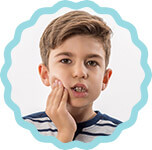
Flossing is also a part of good oral hygiene habits, and should be part of a daily routine when teeth begin to touch. Not only does flossing clean between teeth where toothbrush bristles cannot reach, but daily flossing at an early age creates good oral hygiene habits that can last a lifetime. If you notice signs of decay, contact your dentist immediately.
Preventing Tooth Decay
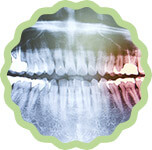
Tooth decay is preventable. Tooth decay is caused by specific oral bacteria that use sugars left in your mouth to create an acid, which can break down teeth. Children are at high risk for tooth decay for a simple reason - many children and adolescents tend to be lax in their oral hygiene habits. Proper brushing and flossing routines combined with regular dental visits help keep tooth decay away. A low-sugar diet also helps keep tooth decay at bay.
Your child should visit the dentist every six months for regular dental cleanings and checkups. We recommend fluoride treatments twice a year along with cleanings to keep teeth their strongest. Tooth sealants are also recommended because they "seal" the deep grooves in your child's teeth, preventing decay from forming in these hard-to-reach areas. Sealants last for several years, but will be monitored at your regular checkups.
Avoiding Cavities
Don't give your baby any sort of sweetened liquids such as flavored drinks or soda. Even the sugars present in fruit juice, formula, and milk (this goes for breast milk as well) can cause decay, so regular tooth and gum cleaning is vital. Also, make sure your baby never goes to bed with a bottle; sugary liquids in prolonged contact with her teeth are a guarantee for early childhood decay, also called baby-bottle tooth decay.
First Visit to the Dentist
It's recommended that you bring your baby in for a visit within six months of the first tooth's eruption, usually around your child's first birthday. Since decay can occur in even the smallest of teeth, the earlier your baby visits us, the more likely he or she is to avoid problems. We'll look for any signs of early problems with your baby's oral heath, and check in with you about the best way to care for new teeth. Remember that preparing for each dental visit with a positive attitude goes a long way toward making your child comfortable with regular checkups.
Setting a Good Example
As part of the natural learning process, little ones are expert mimics, and you can take advantage of this talent. Brush and floss daily while your child is watching, and they'll intuit at an early age the importance of your good habits. As soon as they show interest, give them a toothbrush of their own and encourage them to "brush" with you. (You'll find toothbrushes with chunky, short handles that are easy for them to grip.) Most children don't have the dexterity necessary to thoroughly clean their own teeth until they're about six to eight years old, so you'll have to do that part of the job for them. This is especially important around age six as the first permanent molars are erupting in the very back behind the existing baby molars. Try different tactics to make brushing fun: flavored toothpaste, a toothbrush with a favorite character on it, singing songs about brushing. The primary goal is to instill healthy oral habits at an early age to set your child up for a lifetime of healthy, cavity-free teeth!